
Mental Toughness and Resilient Mindset Training: The Science Behind the Savage Psychology
Modern civilization has engineered comfort at scale. Climate control has replaced environmental adaptation. Notifications have replaced silence. Convenience has replaced discipline. And while these innovations have improved many aspects of life, they have also created a psychological environment where discomfort is optional and resilience is underdeveloped.
Yet performance — in sport, business, combat, leadership, or personal health — is not built in comfort. It is built in friction.
The Savage philosophy recognizes this clearly: physical capability without mental toughness is unstable. Strength without resilience fractures under pressure. Endurance without psychological control collapses when adversity arrives. A Savage body must be paired with a resilient mind.
Mental toughness is not mythology. It is not motivational noise. It is measurable, trainable, and biologically grounded. Research across performance psychology, neuroscience, military studies, and elite sport demonstrates that resilience is a skill set — one that can be systematically developed. This article explores the science of mental toughness, stress adaptation, neuroplasticity, cognitive control, and ancient resilience practices — and explains how they integrate into the Savage system of training and living.
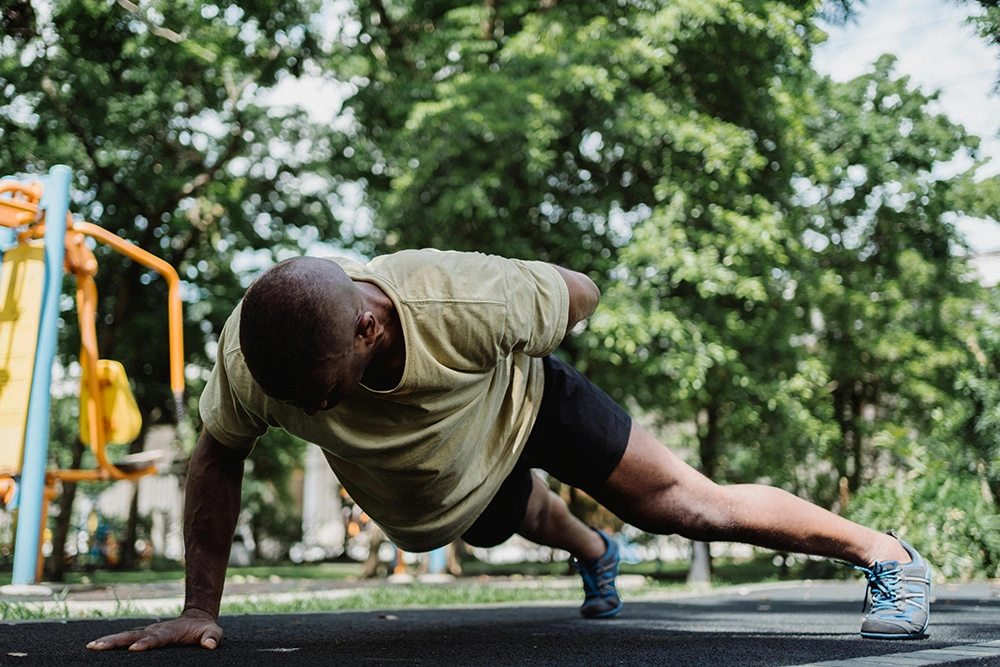
Defining Mental Toughness: Beyond Grit and Motivation
Mental toughness is often reduced to slogans about “never quitting.” In research literature, however, it is defined more precisely.
Psychologist Peter Clough conceptualized mental toughness through the 4C model: control, commitment, challenge, and confidence (Clough et al., 2002). Mentally tough individuals demonstrate emotional regulation, sustained goal pursuit, positive stress appraisal, and belief in their own competence.
Angela Duckworth’s research on “grit” — defined as passion and perseverance for long-term goals — showed that sustained effort over time predicts achievement more reliably than talent alone (Duckworth et al., 2007). However, grit is only one dimension of resilience. True mental toughness includes stress regulation, cognitive flexibility, emotional stability, and recovery capacity.
In the Savage framework, mental toughness is not emotional suppression. It is emotional regulation under load. It is the ability to stay functional, strategic, and composed while the body and environment apply pressure. This distinction matters. Suppression leads to burnout. Regulation builds durability.

The Neurobiology of Resilience
Resilience is deeply biological. It involves interaction between the prefrontal cortex (decision-making), amygdala (threat detection), hippocampus (memory processing), and the hypothalamic-pituitary-adrenal (HPA) axis (stress response system).
When an individual encounters stress, the amygdala signals threat perception, activating cortisol and adrenaline release. In resilient individuals, the prefrontal cortex exerts top-down control, modulating the stress response and preventing excessive emotional reactivity (Arnsten, 2009).
Chronic stress without adaptive regulation impairs this system. Elevated cortisol over time reduces hippocampal volume and weakens cognitive flexibility (McEwen, 2007). However, controlled exposure to stress — such as demanding physical training, skill acquisition under fatigue, or cold exposure — enhances stress tolerance.
This principle is called stress inoculation.
Psychologist Donald Meichenbaum introduced stress inoculation training as a method to gradually expose individuals to manageable stressors, improving coping ability (Meichenbaum, 1985). Military and special operations programs use similar frameworks to enhance operational resilience. Savage training applies this same principle physically and psychologically. Structured discomfort becomes a neurological training stimulus.

Hormesis: The Biological Case for Discomfort
Hormesis refers to the adaptive response of biological systems to moderate stress. Small doses of stress strengthen systems; excessive doses damage them.
Exercise itself is hormetic. Muscle fibers are damaged, then rebuilt stronger. Mitochondria are stressed, then proliferate. The nervous system is challenged, then refines coordination.
The same principle applies psychologically. Research shows that individuals exposed to moderate adversity earlier in life often demonstrate greater resilience than those with either no adversity or overwhelming trauma (Seery et al., 2010). Controlled exposure builds capacity.
In Savage methodology, discomfort is not chaos. It is calibrated. High-intensity intervals, grappling rounds, breath control under fatigue — these are structured stressors designed to enhance resilience without causing psychological injury. Comfort avoidance is not toughness. Strategic exposure is.

Cognitive Appraisal: The Meaning of Stress
Stress is not only physiological; it is interpretive. The way an individual perceives a stressor influences its impact.
Research by Jamieson et al. (2012) demonstrated that reframing stress as a performance-enhancing response improved cardiovascular efficiency and reduced anxiety markers during high-pressure tasks. When individuals view stress symptoms as preparation rather than threat, outcomes improve.
This aligns with the Savage mindset: discomfort is data. Fatigue is information. Fear is a signal — not a command. The interpretation of stress transforms its biological footprint.
Cognitive reappraisal techniques strengthen prefrontal regulation of emotional responses, enhancing resilience over time (Gross, 2002). This is why structured reflection, journaling, and post-training analysis are not optional extras in a high-performance system. They are neural conditioning tools.
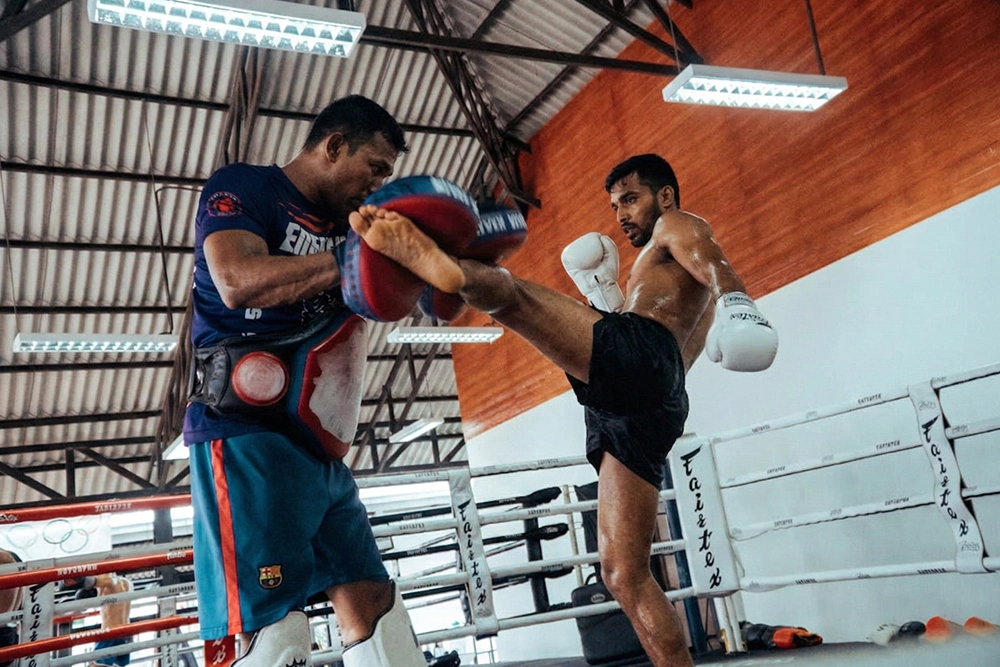
Physical Training as Psychological Conditioning
Intense physical training environments provide unique psychological stressors:
- Social evaluation
- Competitive pressure
- Physical pain
- Fatigue-induced decision-making
Studies in combat sports show that athletes develop superior emotional regulation compared to non-athletes, particularly under pressure (Slimani et al., 2017). Exposure to unpredictable sparring and competition environments enhances adaptability and cognitive control.
The Savage system deliberately integrates skill under fatigue. Performing complex motor tasks when exhausted builds neural efficiency and decision-making resilience. This is not about suffering for ego. It is about simulating adversity so that real-world challenges feel familiar rather than overwhelming.

Breath Control and Autonomic Regulation
Breathing is one of the most powerful bridges between conscious and autonomic systems. Slow, controlled breathing activates the parasympathetic nervous system through vagal stimulation, reducing heart rate and stress response (Brown & Gerbarg, 2005).
Nasal breathing, diaphragmatic control, and structured breath holds improve carbon dioxide tolerance, reduce anxiety, and enhance focus.
Research indicates that trained breath control can lower cortisol levels and improve stress resilience (Jerath et al., 2015). Ancient practices such as yogic pranayama and martial breathing systems recognized this centuries ago. Modern neuroscience confirms it.
Savage integrates breath discipline not as spirituality but as neurological conditioning. A calm nervous system under load is an advantage in every domain.
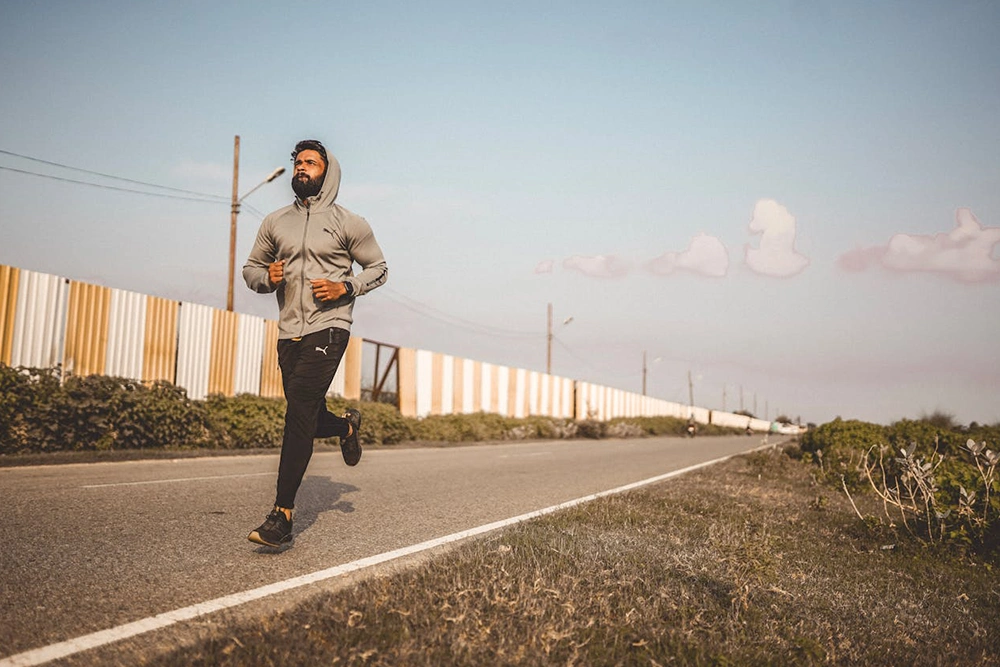
Discipline and Identity Formation
Mental toughness is not just about reaction to stress. It is about identity architecture.
Behavioral psychology shows that consistent actions shape identity through cognitive dissonance resolution. When individuals repeatedly perform disciplined behaviors, they begin to internalize that identity (Festinger, 1957).
If you train daily despite discomfort, you do not just build muscle. You build a self-concept aligned with discipline.
James Clear and other behavioral theorists highlight identity-based habits as stronger than outcome-based goals. The Savage mindset reinforces identity: not “I want to be fit,” but “I am capable.” Identity reduces decision fatigue. It transforms effort into baseline behavior.

Ancient Warrior Frameworks and Psychological Hardening
Historical warrior cultures — from Spartan agoge systems to Samurai bushido codes — embedded psychological resilience into daily life. While romanticized in popular culture, historical evidence suggests that structured hardship and community discipline were core components of their development.
Modern military resilience programs draw on similar principles: community bonding, purpose alignment, skill mastery, and physical hardship.
Purpose is critical. Viktor Frankl’s observations in extreme adversity demonstrated that meaning-making significantly increases survival capacity (Frankl, 1946).
Savage philosophy aligns training with purpose. It is not aesthetic-driven. It is capability-driven. Purpose increases adherence and resilience.

The Role of Recovery in Mental Toughness
There is a misconception that mental toughness means constant grind. Neuroscience contradicts this.
Recovery periods allow synaptic consolidation, emotional processing, and HPA axis recalibration. Chronic stress without recovery leads to burnout and impaired executive function (McEwen, 2007).
Elite performers follow oscillation patterns: stress followed by restoration.
Savage resilience includes strategic recovery. Breathwork, mobility, sleep optimization, and low-intensity aerobic work preserve nervous system balance. Toughness without recovery is fragility disguised as strength.

Emotional Regulation Under Competitive Pressure
Performance anxiety is linked to amygdala overactivation and prefrontal underregulation. Training under pressure reduces novelty and improves cognitive control.
Exposure therapy research shows that repeated exposure to feared stimuli reduces anxiety response over time (Craske et al., 2008). Competitive sparring functions similarly. The unfamiliar becomes routine.
This is why real-world training environments outperform purely theoretical self-development strategies.
Resilience is contextual. It must be practiced in realistic conditions.

The Growth Mindset and Neuroplasticity
Carol Dweck’s research on growth mindset demonstrates that individuals who believe abilities can be developed through effort show greater persistence and learning capacity (Dweck, 2006). Neuroplasticity research confirms that repeated challenge strengthens neural pathways.
Savage training frames failure as feedback. Losses in sparring, missed lifts, conditioning breakdowns — these are data points, not identity threats. When failure becomes information rather than humiliation, resilience expands.

Social Cohesion and Collective Resilience
Resilience is not purely individual. Social belonging significantly influences stress buffering. Research shows that strong social support reduces cortisol response and enhances psychological recovery (Heinrichs et al., 2003).
Training in a structured community amplifies resilience development. Shared hardship builds cohesion.
Savage environments emphasize tribe dynamics — accountability, challenge, and mutual growth. Isolation weakens resilience. Brotherhood strengthens it.
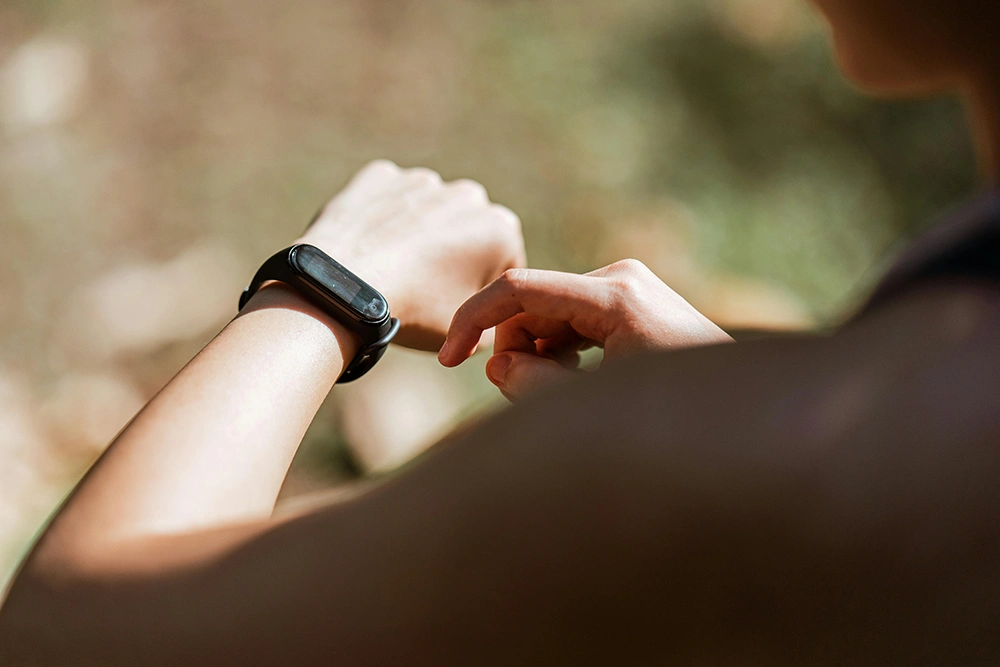
Measuring Mental Toughness
- While psychological traits are complex, resilience can be assessed through:
- Heart rate variability (HRV) as a marker of autonomic balance
- Reaction time under fatigue
- Performance consistency under pressure
- Behavioral adherence rates
These objective markers align with subjective improvements in composure and confidence.
Mental toughness is not mystical. It is measurable adaptation.
The Savage Psychological Model
The Savage model integrates five pillars of mental resilience:
-
Controlled stress exposure
-
Breath and nervous system regulation
-
Identity-based discipline
-
Purpose alignment
-
Community accountability
Each pillar reinforces the others. Remove one, and the system weakens.
Mental toughness is not screaming intensity. It is calm dominance.
Conclusion: Resilience as a Daily Practice
The world does not lack information. It lacks fortitude. Comfort culture reduces friction. Friction builds strength.
Mental toughness is not inherited. It is constructed. It is built in training rooms, in disciplined mornings, in controlled exposure to adversity, in calm breathing under pressure, in repeated commitments kept. The Savage philosophy does not chase chaos. It engineers challenge.
Because resilience is not about surviving one battle. It is about remaining functional, composed, and capable across decades. Build the body. Train the nervous system. Refine the mind.
And when pressure arrives — in competition, in business, in life — you will not need to summon toughness. It will already be there.
References
- Abreu, R. R., Rocha, R. L., Lamounier, J. A., & Guerra, Â. F. (2008). Etiology, clinical manifestations and concurrent findings in mouth-breathing children. Journal of Pediatrics, 84(6), 529–535.
- Bohr, C. (1904). The influence of carbon dioxide tension on the oxygen binding of blood. Skandinavisches Archiv für Physiologie, 16, 402–412.
- Brown, R. P., & Gerbarg, P. L. (2005). Sudarshan Kriya yogic breathing in the treatment of stress, anxiety, and depression: Part I—Neurophysiologic model. Journal of Alternative and Complementary Medicine, 11(1), 189–201.
- Courtney, R. (2008). The functions of breathing and its dysfunctions and their relationship to breathing therapy. International Journal of Osteopathic Medicine, 11(3), 78–85.
- Craske, M. G., et al. (2008). Maximizing exposure therapy: An inhibitory learning approach. Behaviour Research and Therapy, 46(1), 5–27.
- Dallam, G. M., McClaran, S. R., Cox, D. W., & Foust, C. P. (2018). Effect of nasal versus oral breathing on VO2max and physiological economy in recreational runners. Journal of Sports Science and Medicine, 17(4), 632–639.
- Fan, J. L., Burgess, K. R., Thomas, K. N., Peebles, K. C., Lucas, S. J. E., Lucas, R. A. I., Cotter, J. D., & Ainslie, P. N. (2012). Influence of hyperventilation on cerebrovascular function in humans. Journal of Physiology, 590(14), 3261–3272.
- Illi, S. K., Held, U., Frank, I., & Spengler, C. M. (2012). Effect of respiratory muscle training on exercise performance in healthy individuals: A systematic review and meta-analysis. Sports Medicine, 42(8), 707–724.
- Jerath, R., Beveridge, C., Barnes, V. A., & Jerath, V. (2015). Breathing practices and vagal nerve stimulation: Mechanisms for stress reduction and mental health benefits. Medical Hypotheses, 85(5), 486–496.
- Kox, M., et al. (2014). Voluntary activation of the sympathetic nervous system and attenuation of the innate immune response in humans. Proceedings of the National Academy of Sciences, 111(20), 7379–7384.
- Lehrer, P. M., & Gevirtz, R. (2014). Heart rate variability biofeedback: How and why does it work? Frontiers in Psychology, 5, 756.
- Lundberg, J. O., Weitzberg, E., Nordvall, S. L., Kuylenstierna, R., & Lundberg, J. M. (1995). Primarily nasal origin of exhaled nitric oxide and absence in Kartagener’s syndrome. European Respiratory Journal, 8(9), 1501–1504.
- Zaccaro, A., Piarulli, A., Laurino, M., Garbella, E., Menicucci, D., Neri, B., & Gemignani, A. (2018). How breath-control can change your life: A systematic review on psycho-physiological correlates of slow breathing. Frontiers in Human Neuroscience, 12, 353.
 Savage is a functional fitness system built to restore strength, conditioning, recovery, and resilience for modern life.