
Ancient warrior conditioning methods
Ancient warrior conditioning methods built strength, endurance, and resilience long before modern gyms existed. Long before protein powders, wearable trackers, and chrome-plated machines, humans developed extraordinary physical capacity using only their bodies, natural terrain, and simple tools.
They climbed.
They carried.
They crawled.
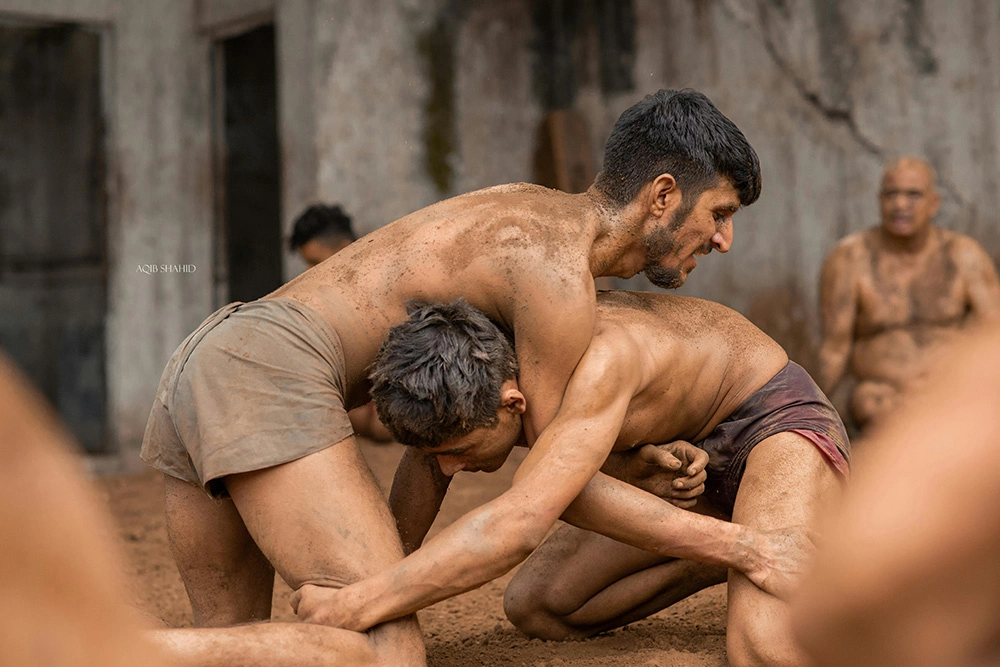
They wrestled.
They sprinted.
They endured.
They did not train for aesthetics. They trained for survival.
What is remarkable is not that ancient warriors were strong. It is that modern science increasingly validates the methods they used. The further exercise physiology advances, the more it confirms a powerful truth: many traditional conditioning practices align closely with how the human organism is designed to adapt.
This is not nostalgia. It is biology.
The Evolutionary Blueprint of Human Performance
To understand why ancient training methods were effective, we must first understand what the human body evolved to do.
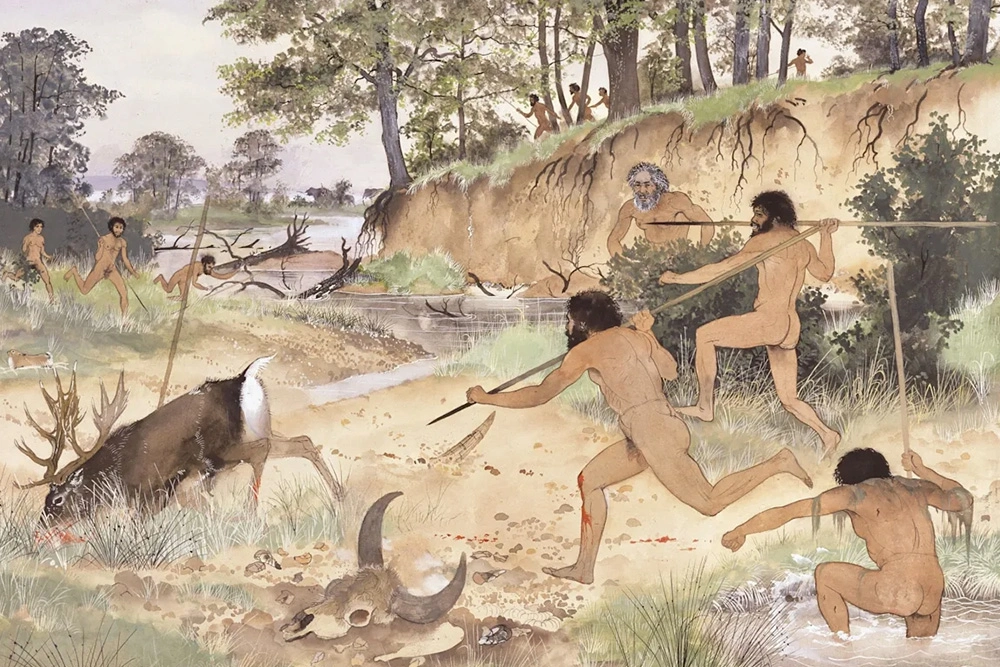
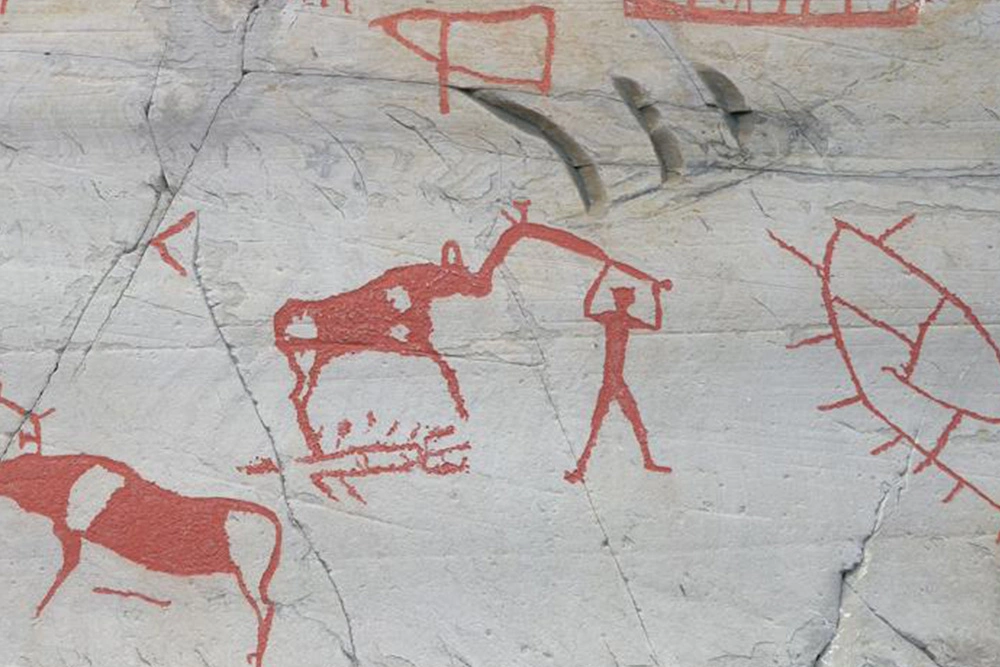
For over 200,000 years, survival depended on intermittent bursts of high effort layered over long periods of low-level movement. Hunting required tracking prey for hours followed by explosive pursuit. Combat required grappling, striking, carrying weapons, and rapid changes of direction. Shelter-building required lifting and transporting materials. Anthropological research suggests that humans evolved as endurance-adapted persistence hunters capable of covering long distances and producing bursts of speed when necessary (Lieberman, 2013).
The musculoskeletal system reflects this history. The gluteus maximus is disproportionately large compared to other primates, assisting with sprinting and climbing. The Achilles tendon stores elastic energy for running. The shoulder complex allows throwing. The hand is built for grip strength and manipulation.
In short, the human body is engineered for integrated movement. Ancient warrior conditioning developed organically from these demands.
These ancient warrior conditioning methods were not designed in laboratories — they evolved from survival necessity.
Loaded Carries: The Forgotten Strength Builder
One of the simplest ancient practices was carrying.
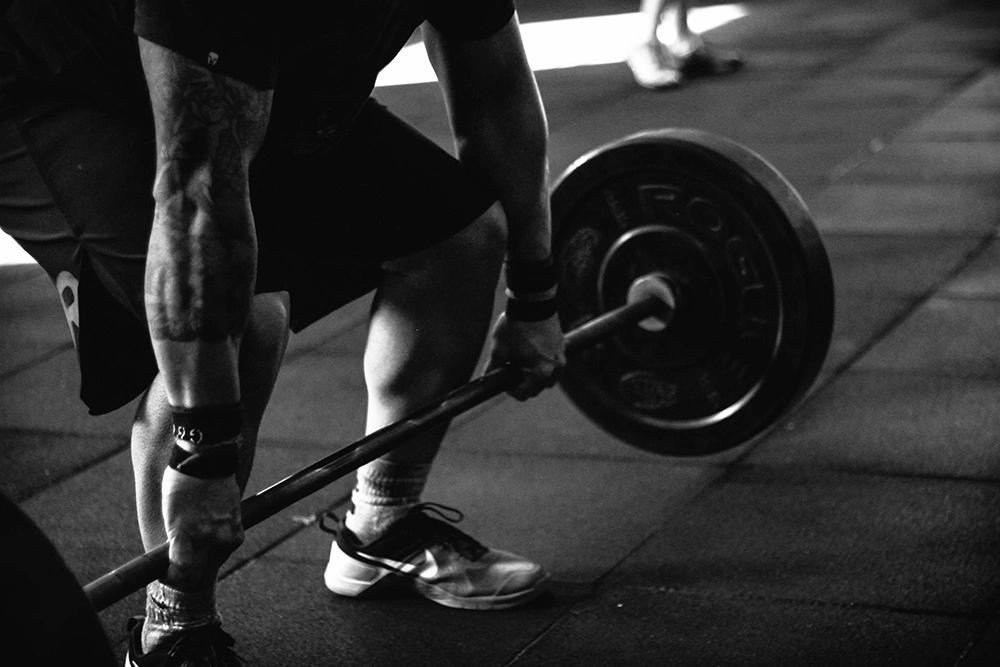
Warriors carried weapons, shields, armor, food, water, and injured comrades. Farmers carried tools and harvest. Laborers carried stone and timber. Today, loaded carries have re-emerged as a powerful strength and conditioning tool.
Modern research shows that loaded carries significantly activate core musculature, improve grip strength, and enhance postural stability (McGill, 2007). Unlike isolated machine exercises, carries demand full-body tension and coordination. Grip strength alone has been shown to correlate strongly with overall mortality risk and cardiovascular health (Ruiz et al., 2008).
A weak grip often reflects systemic weakness. When ancient warriors carried heavy loads over uneven terrain, they were training anti-rotational core stability, scapular integrity, and gait mechanics simultaneously. It was functional training before the term existed.
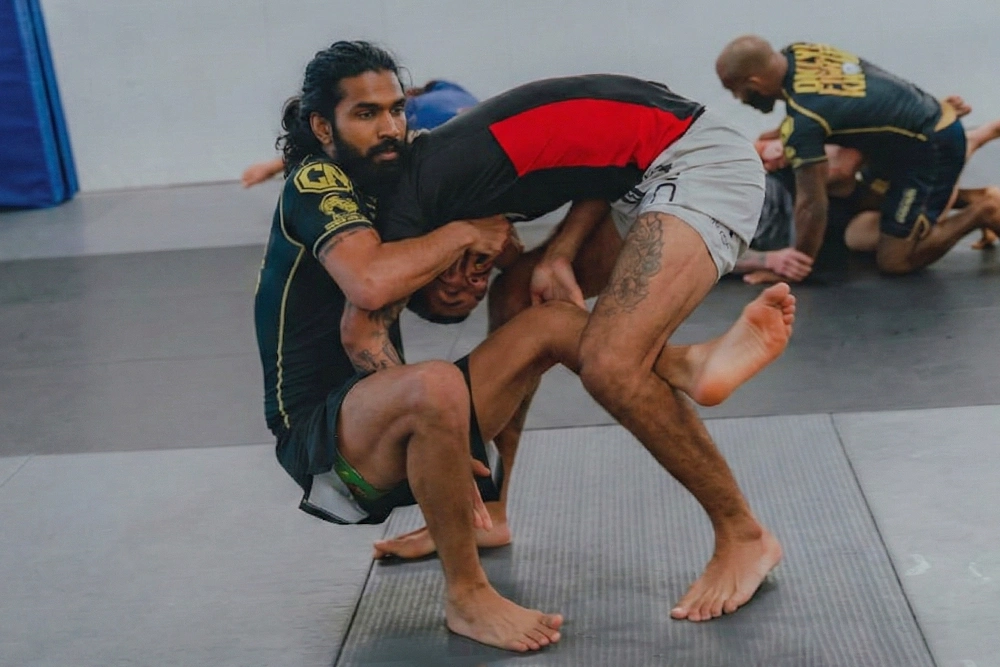
Crawling and Ground Movement
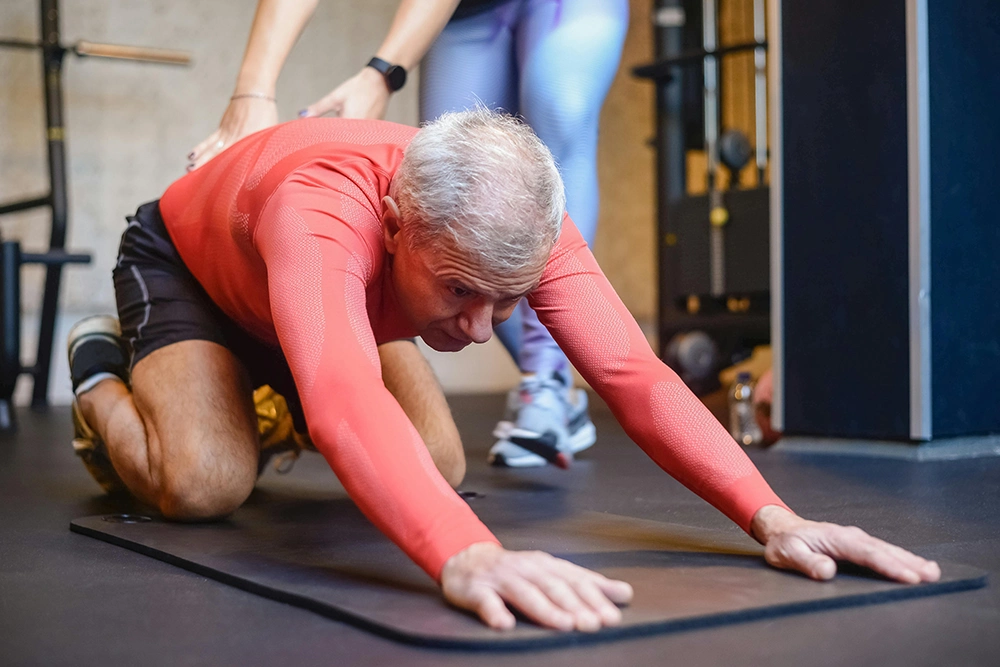
Before chairs and desks dominated life, humans spent more time near the ground. Crawling, kneeling, squatting, and transitioning between positions were common. Ground-based movement challenges coordination, joint mobility, and neuromuscular control. Crawling patterns activate contralateral limb coordination, stimulating cross-hemispheric communication in the brain.
Modern movement specialists have demonstrated that quadrupedal patterns enhance shoulder stability, hip mobility, and trunk integration. From a neurological standpoint, such movements reinforce primitive motor patterns foundational to athletic development. Ancient martial traditions incorporated extensive ground mobility long before modern physical therapy recognized its value. The science now confirms that variability in movement improves joint health and reduces injury risk (Cook, 2010).

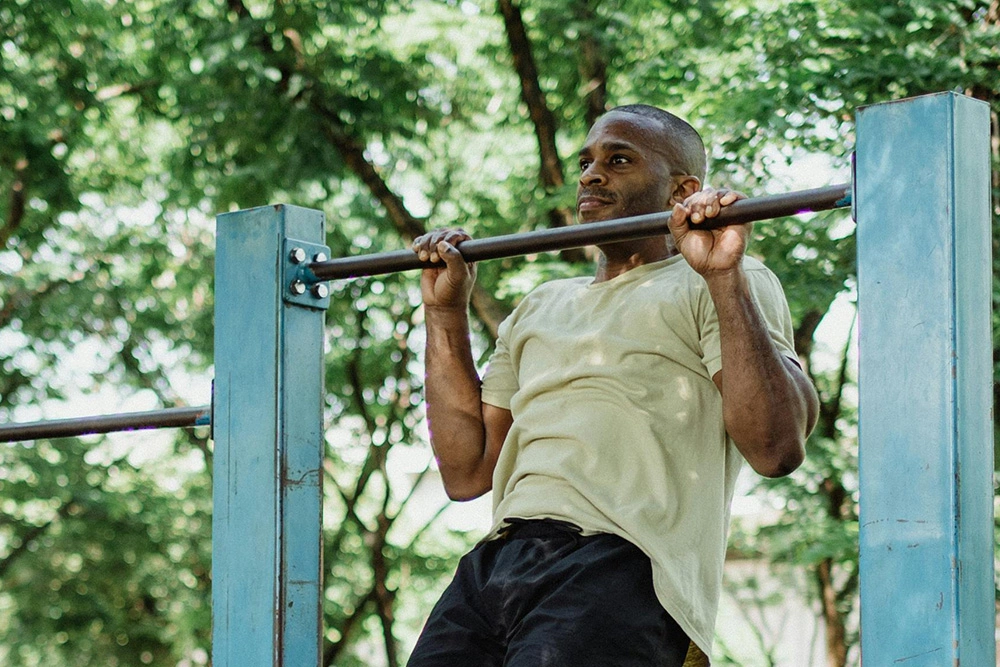
Bodyweight Mastery
Warriors historically relied heavily on bodyweight training — push-ups, pull-ups, dips, rope climbs, wrestling drills. Bodyweight strength demands control of one’s own mass through space. It requires relative strength rather than absolute strength.
Research shows that multi-joint, compound exercises produce greater neuromuscular activation compared to isolated movements (Schwanbeck et al., 2009). Bodyweight drills naturally fall into this category. Relative strength is critical for combat, climbing, sprinting, and agility. Excessive muscle mass without mobility can reduce efficiency. Ancient conditioning prioritized lean, functional strength. Even modern military training programs emphasize bodyweight endurance for operational readiness.
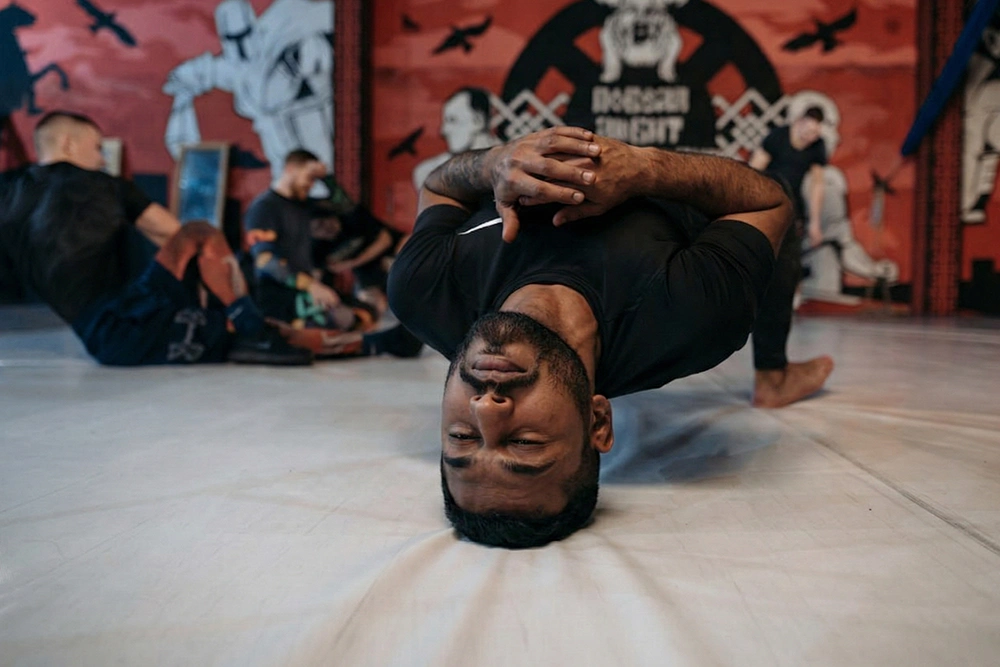
Wrestling and Grappling
Across cultures — from ancient Greece to India to Japan — wrestling formed the foundation of warrior preparation. Grappling is a uniquely complete conditioning method. It develops isometric strength, dynamic endurance, cardiovascular capacity, proprioception, and mental resilience.
Studies on combat sports athletes show high VO₂ max values and exceptional anaerobic capacity (Franchini et al., 2011). The metabolic demand of grappling combines strength and conditioning in a way few machines replicate. Wrestling also develops joint integrity through controlled stress in multiple planes of motion. This builds connective tissue resilience. Ancient warriors understood that combat readiness required integrated stress exposure. Modern science confirms the benefits.
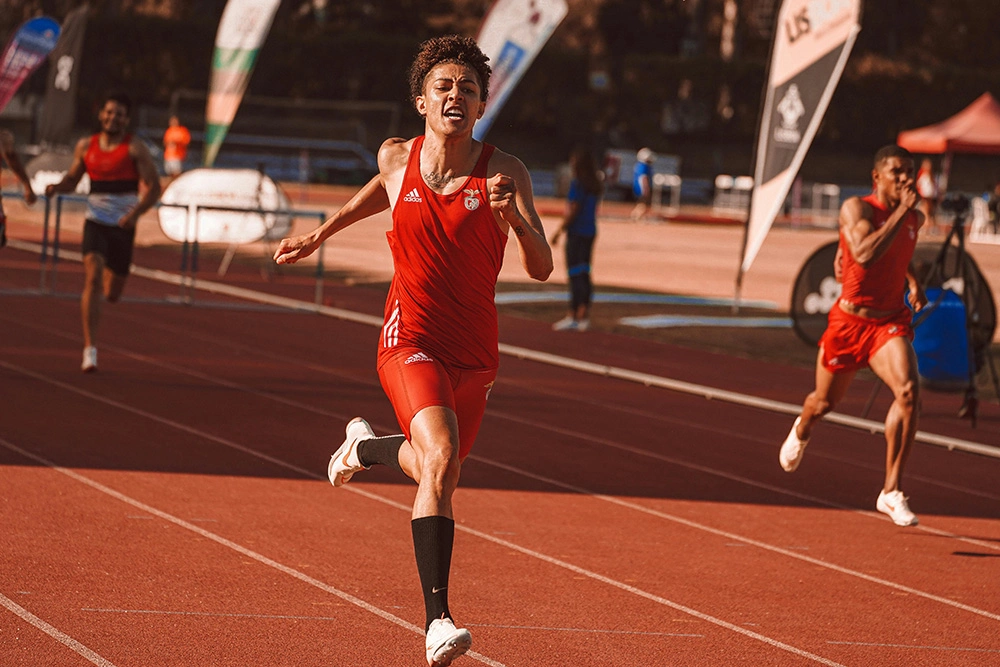
Sprinting and Explosive Effort
Long-distance jogging was not the foundation of ancient warrior training. Sprinting was. Explosive bursts develop fast-twitch muscle fibers, improve power output, and stimulate anabolic hormones. Research on high-intensity interval training demonstrates that brief, intense efforts significantly improve cardiovascular capacity and mitochondrial function (Gibala et al., 2012).
Sprinting also enhances bone density due to high ground reaction forces, which stimulate osteogenic adaptation. Ancient warriors sprinted during combat, during hunting, and during tactical maneuvers. Explosive effort was survival.
Climbing and Pulling Strength
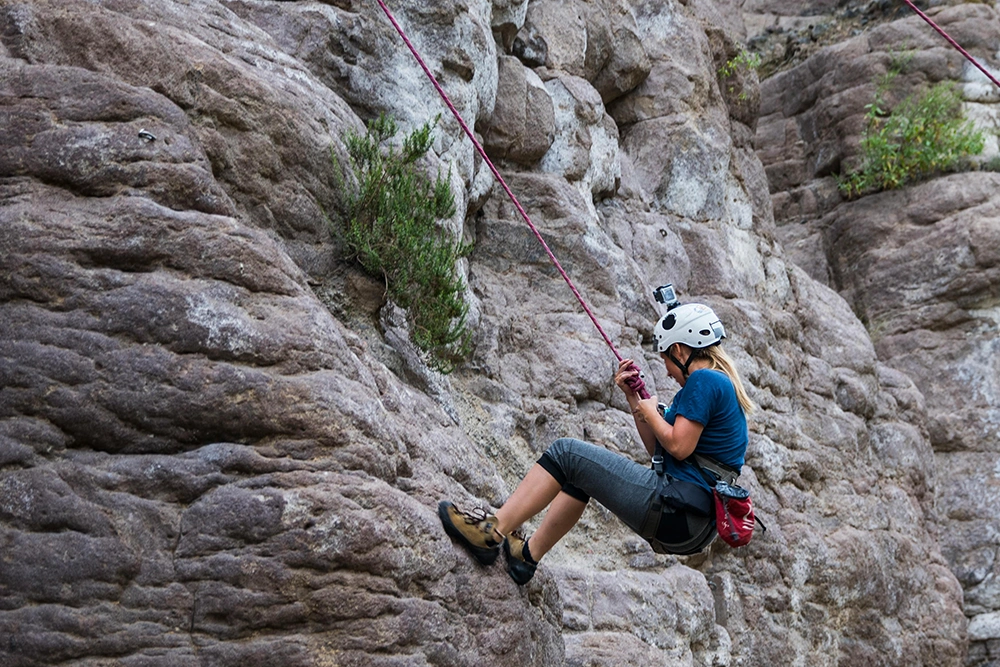
Rope climbing, tree climbing, scaling walls — these were practical skills. Climbing develops tremendous upper body pulling strength and grip endurance while challenging coordination. Pulling strength is often neglected in modern training dominated by pushing exercises and machines.
Balanced development requires strong scapular stabilizers and posterior chain engagement. Pulling movements support shoulder health and posture. Ancient methods ensured this balance naturally.
Sand, Stone, and Odd Objects
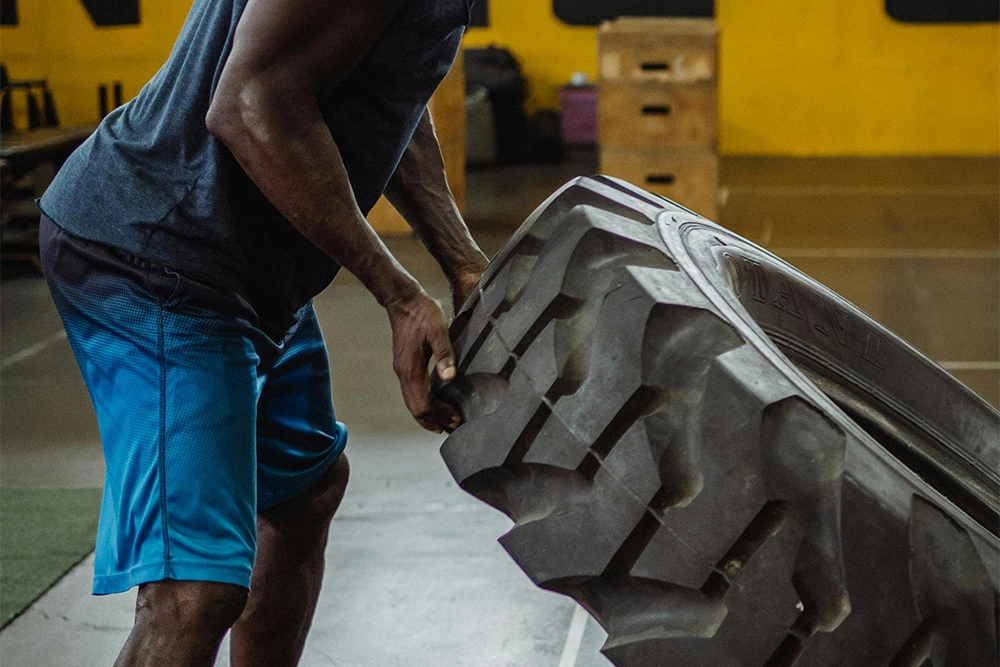
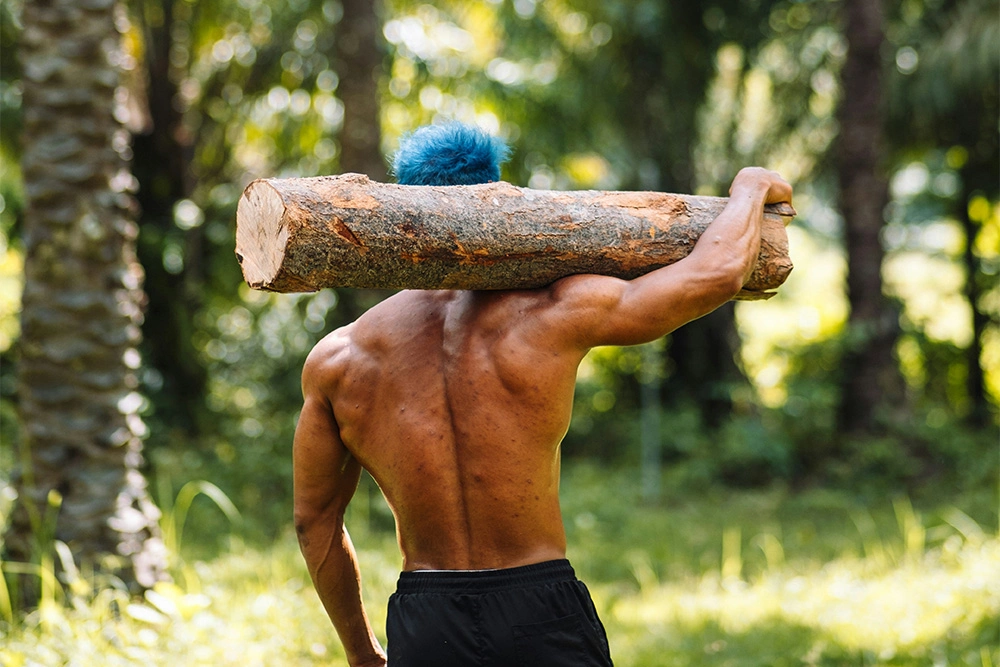
Traditional training often involved irregular loads — stones, sandbags, logs. Odd-object training challenges stabilizing musculature and requires adaptive strength.
Research suggests that unstable or variable loads increase core activation and proprioceptive demand (Behm & Anderson, 2006). The unpredictability of natural objects mirrors real-world demands more closely than fixed machines. Ancient warriors trained for uncertainty.

Breath Control and Endurance
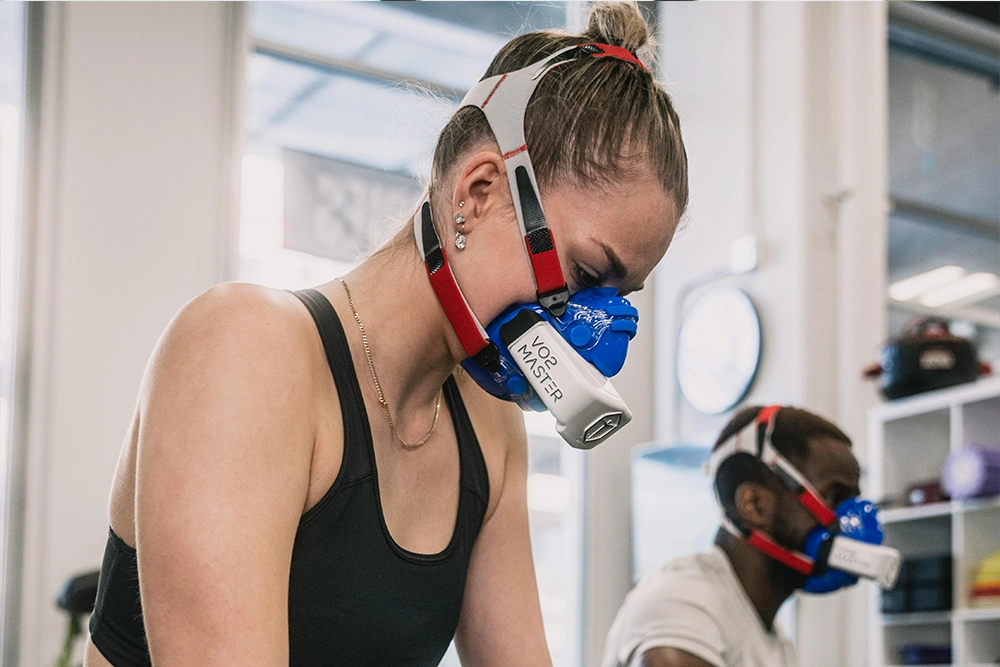
Traditional warrior cultures incorporated breath discipline long before respiratory physiology was understood scientifically. Modern research demonstrates that respiratory muscle training improves endurance performance and reduces perceived exertion (Illi et al., 2012).
Controlled breathing also influences autonomic nervous system balance, improving stress tolerance. Ancient practices intuitively understood that breath regulates performance.

The Hormesis Principle
A core concept underlying ancient conditioning is hormesis — the biological phenomenon where exposure to moderate stress strengthens the organism. Exercise itself is hormetic. It creates controlled stress that stimulates adaptation.
Too little stress produces weakness. Too much stress produces breakdown. Ancient training naturally balanced exposure and recovery through lifestyle rhythm. Modern overtraining often disrupts this balance.

The Psychological Component
Warrior conditioning was never purely physical. It built composure under pressure. Physical struggle trains mental resilience. Acute stress exposure during intense training improves stress regulation capacity over time (Dienstbier, 1989).
Modern life produces chronic cognitive stress without physical discharge. Ancient training resolved stress physically.

Why Modern Training Drifted
Industrialization separated labor from survival. Machines replaced natural movement. Fitness became aesthetic rather than functional. Bodybuilding emphasized muscle size. Cardio culture emphasized calorie burn. Machines simplified movement.
While these methods have benefits, they often isolate rather than integrate. Ancient training integrated.
Why Ancient Warrior Conditioning Methods Still Work Today
The effectiveness of ancient warrior conditioning methods lies in their alignment with human evolutionary biology.
Science Converges with Tradition
What is striking is not that ancient warriors were strong. It is that contemporary research increasingly validates their methods:
- Loaded carries improve core stability.
- Grappling builds metabolic capacity.
- Sprinting enhances mitochondrial function.
- Odd-object lifting increases neuromuscular demand.
- Bodyweight training builds relative strength.
- Breathwork improves performance and stress control.
The gap between tradition and science is narrowing.

The Savage Interpretation
The lesson is not to romanticize the past. It is to recognize patterns that worked and apply them intelligently. Savage conditioning reintroduces: (Learn more about our Savage programe)
Integrated strength.
Load carriage.
Ground movement.
Explosive effort.
Relative strength mastery.
Breath control.
These are not trends. They are principles. They build capable humans.
Longevity Through Capability
Strength, grip capacity, cardiovascular fitness, and muscle mass all correlate with reduced mortality risk (Ruiz et al., 2008). Ancient training unintentionally optimized for longevity by building durable systems.
Modern science confirms that muscle is protective tissue. Weakness is not inevitable. It is often behavioral.
(Learn more about our personal training)
The Return to Integration
The modern body is overstimulated mentally but understimulated physically. Ancient methods correct this imbalance. They reconnect humans with integrated movement patterns.
They develop real-world strength. They restore confidence. The past was not primitive. It was practical.
Modern science does not invalidate ancient warrior conditioning methods. It explains them. And when you align training with evolutionary design and physiological research, the result is not nostalgia.
It is performance.
References
- Behm DG & Anderson K. (2006). The role of instability with resistance training. J Strength Cond Res.
- Cook G. (2010). Movement: Functional Movement Systems.
- Dienstbier RA. (1989). Arousal and physiological toughness. Psychol Rev.
- Franchini E et al. (2011). Energy systems in combat sports. Sports Med.
- Gibala MJ et al. (2012). Physiological adaptations to low-volume HIIT. J Physiol.
- Illi SK et al. (2012). Respiratory muscle training meta-analysis. Sports Med.
- Lieberman DE. (2013). The Story of the Human Body.
- McGill SM. (2007). Low back stability evidence. Clin Biomech.
- Ruiz JR et al. (2008). Muscular strength and mortality. BMJ.
- Schwanbeck S et al. (2009). Free weights vs machines. J Strength Cond Res.



 Savage is a functional fitness system built to restore strength, conditioning, recovery, and resilience for modern life.